Art, Decor & Traditional Crafts Exporters from India: Trade Horizon
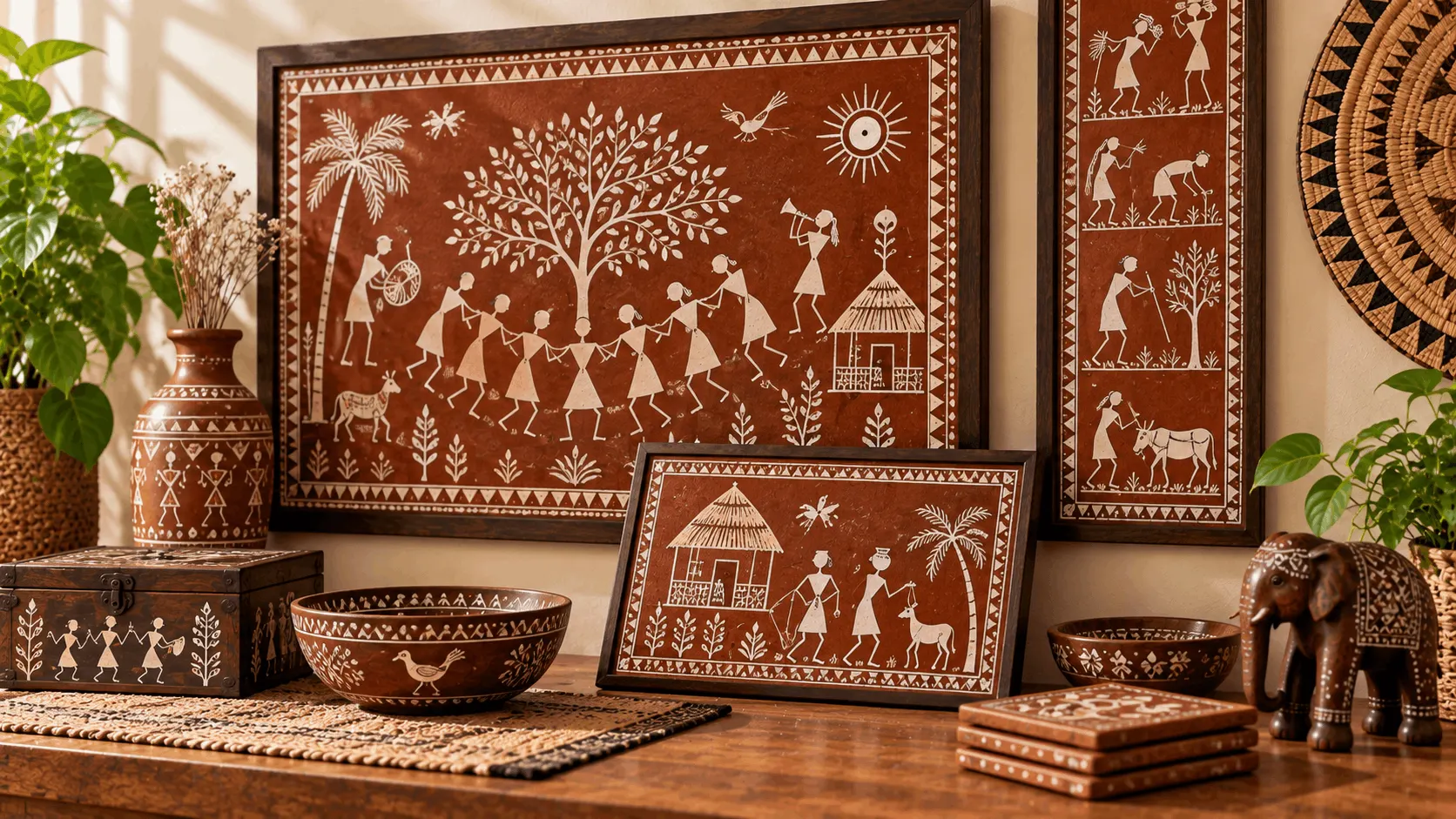
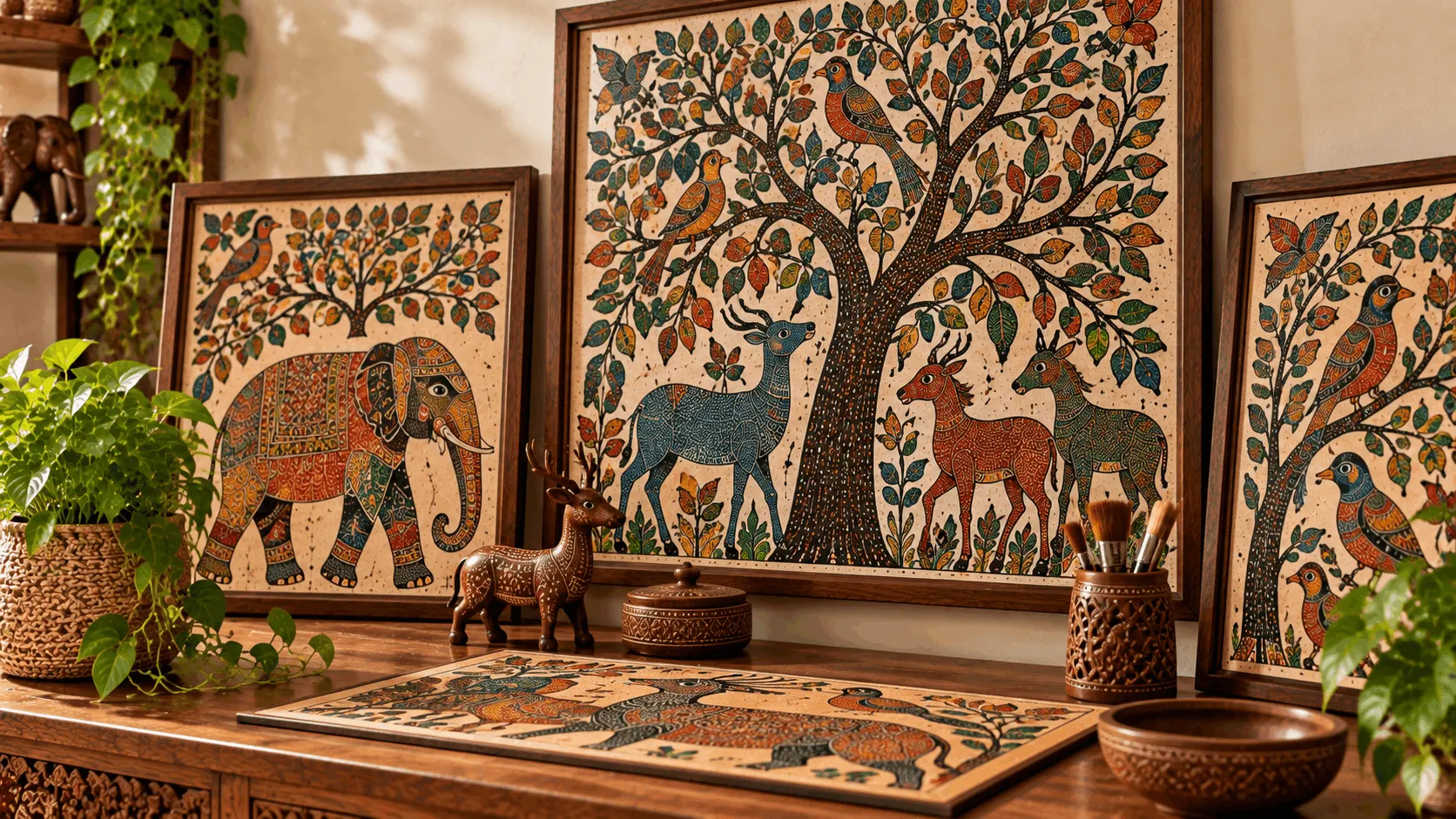
A room can look perfectly finished and still feel as though something is missing. Sometimes that missing element is quite small. A carved object on a console, a painted panel on a wall or an unusual handmade piece on a shelf can change the whole impression.
This is one reason art and decorative handicrafts have a place in retail. People do not always buy these products because they need them. Quite often, they buy them because they like the way they look or because the object gives their home something a little different.
India offers a particularly varied choice. Wood carving, metal work, stone craft, painting, textiles and other forms of handmade work have developed in different parts of the country. The result is not one uniform style, but a collection of very different possibilities.
Finding the Right Kind of Art
An overseas buyer may come to India looking for something very specific. There may already be a product in the store that needs a new source. An interior designer may have a photograph of a piece and want something with a similar character. A gift retailer may simply be looking for products that are not already available everywhere.
The requirements can be quite different.
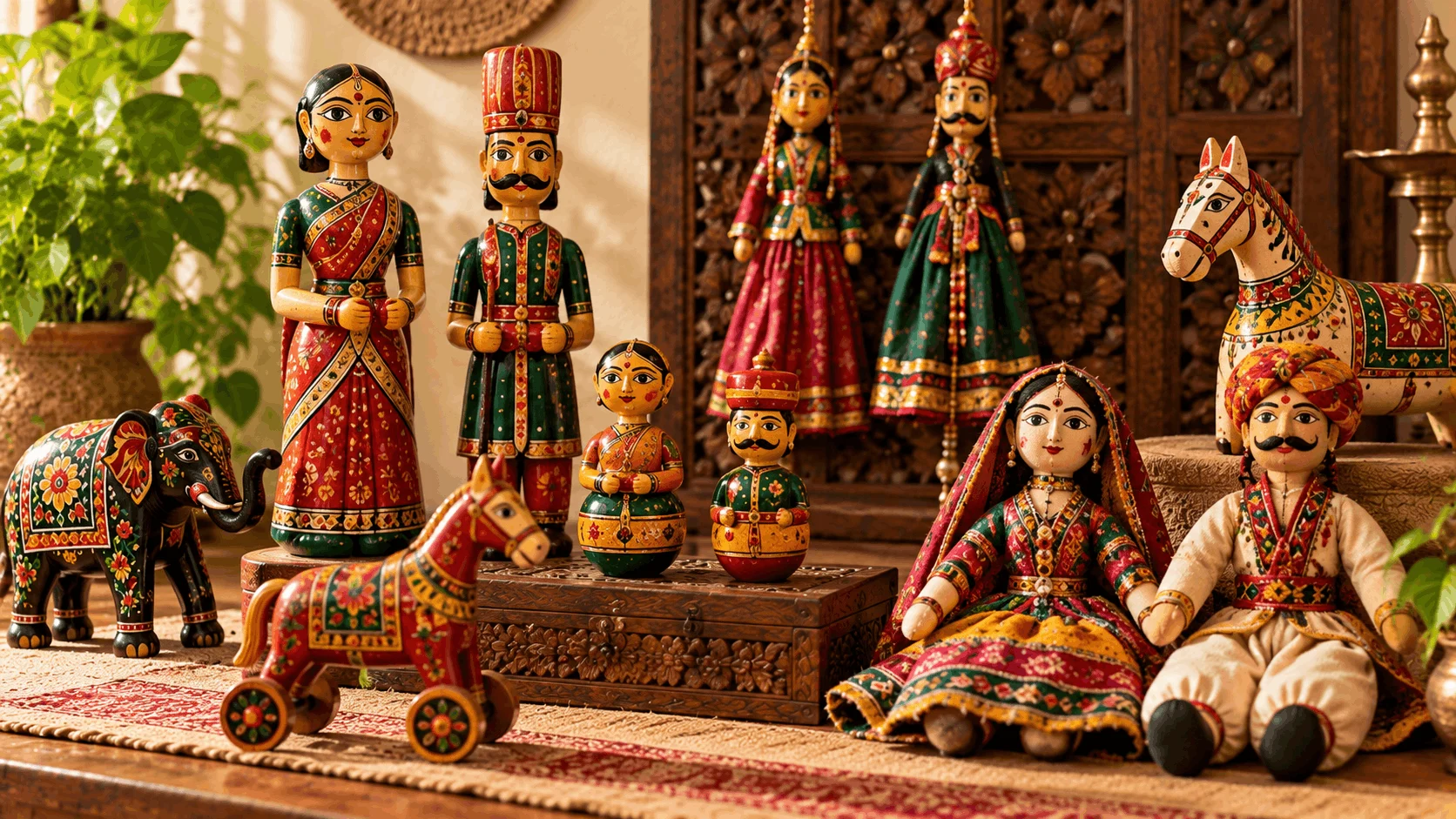
Small sculptures and decorative figures are easier to display in a retail store. Large wall pieces may be better suited to hotels, restaurants or interior projects. A collection of smaller handmade objects can also work well when the retailer wants customers to browse rather than buy one large statement piece.
The important thing is to decide where the product belongs before deciding which product to buy.
Art Exports from India
Art exports from India cover a wide range of products, particularly when handmade and traditional craft based work is included. Indian handicrafts are already sold in many overseas markets, supported by an established export network and organisations such as the Export Promotion Council for Handicrafts.
For an importer, however, a large export market does not automatically make every product a good purchase.
A decorative article still needs to suit the intended customer. It should be practical to pack, and its final cost should leave enough room for the buyer's own business margin. A product that looks inexpensive at the supplier's end can become much less attractive after freight, duties and other costs are added.
Talking to Art Exporters in India
A search for art exporters in India can produce a long list of possibilities. The difficulty is usually not finding a name. It is working out which source is relevant to the product you actually need.
A useful enquiry can be quite simple. Send a photograph if you have one. Give the approximate dimensions and quantity. Mention the material or finish if those have already been decided.
If none of that has been decided yet, explain the business instead. A retailer selling contemporary homeware will probably have different requirements from a company supplying traditional décor to hotels.
That context can make the sourcing conversation much more productive.
Décor Can Be a Product in Its Own Right
Decorative products are sometimes treated as an afterthought. For many retailers, they are anything but that.
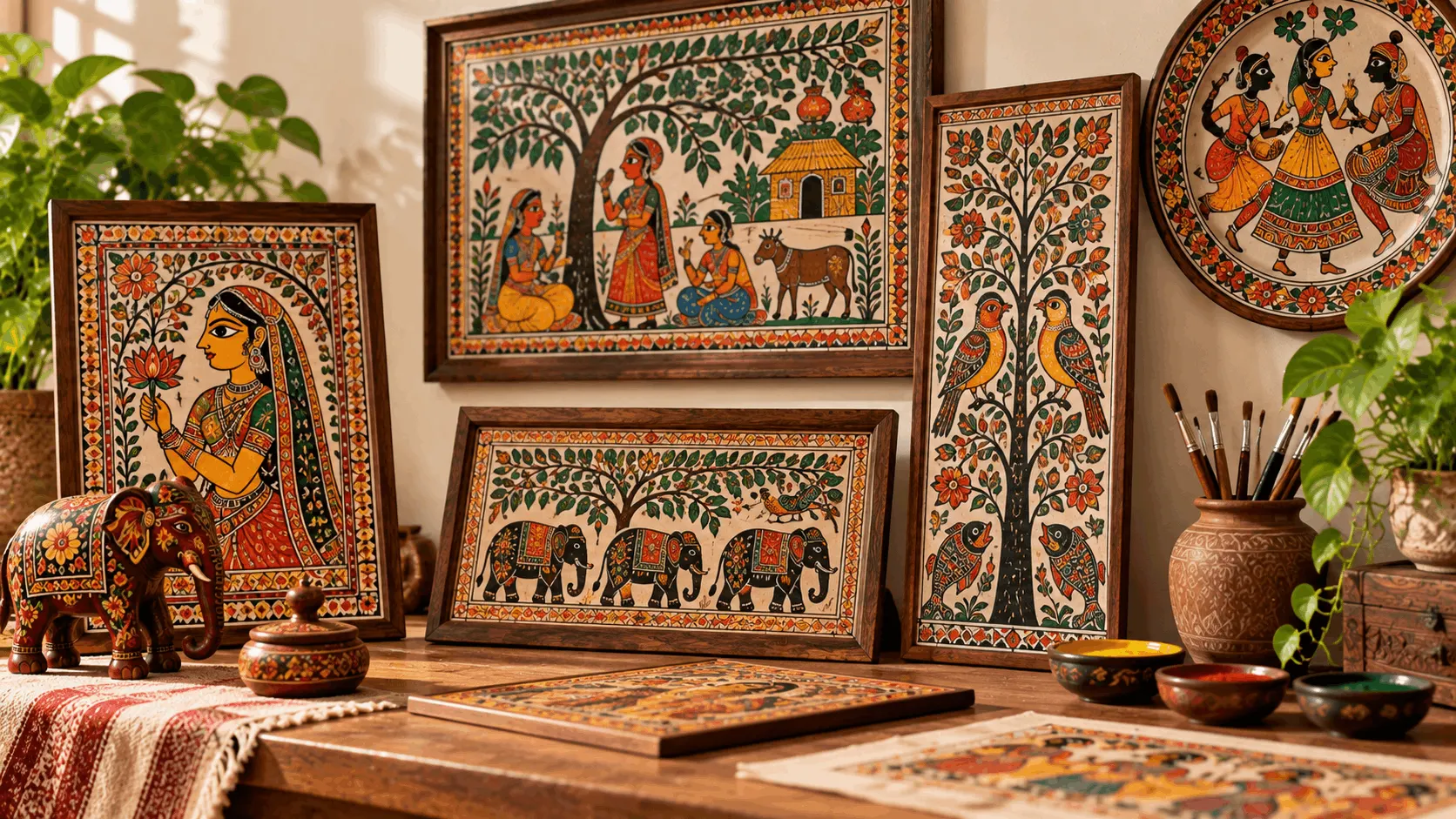
A mirror frame, carved panel, decorative bowl or sculpture can become the piece that catches a customer's eye. Smaller objects can be grouped together to make a display. A hotel or restaurant can use decorative products to give several spaces a common visual identity.
The choice of material makes a difference. Wood has warmth. Metal can look more substantial. Stone has its own texture and weight. Textile based products bring another set of colours and surfaces into the collection.
There is plenty to explore without making the range feel repetitive.
Decor Exports from India
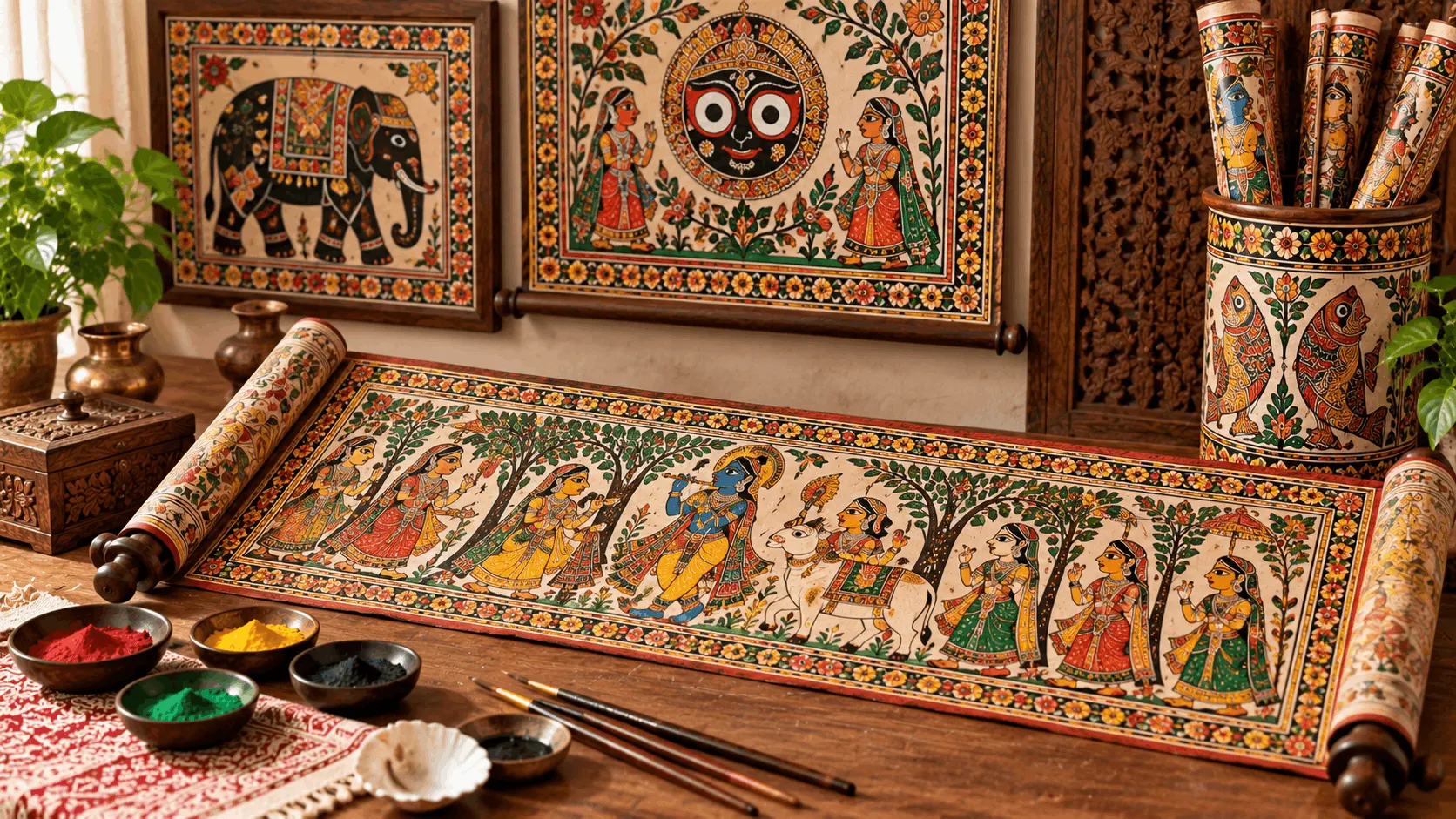
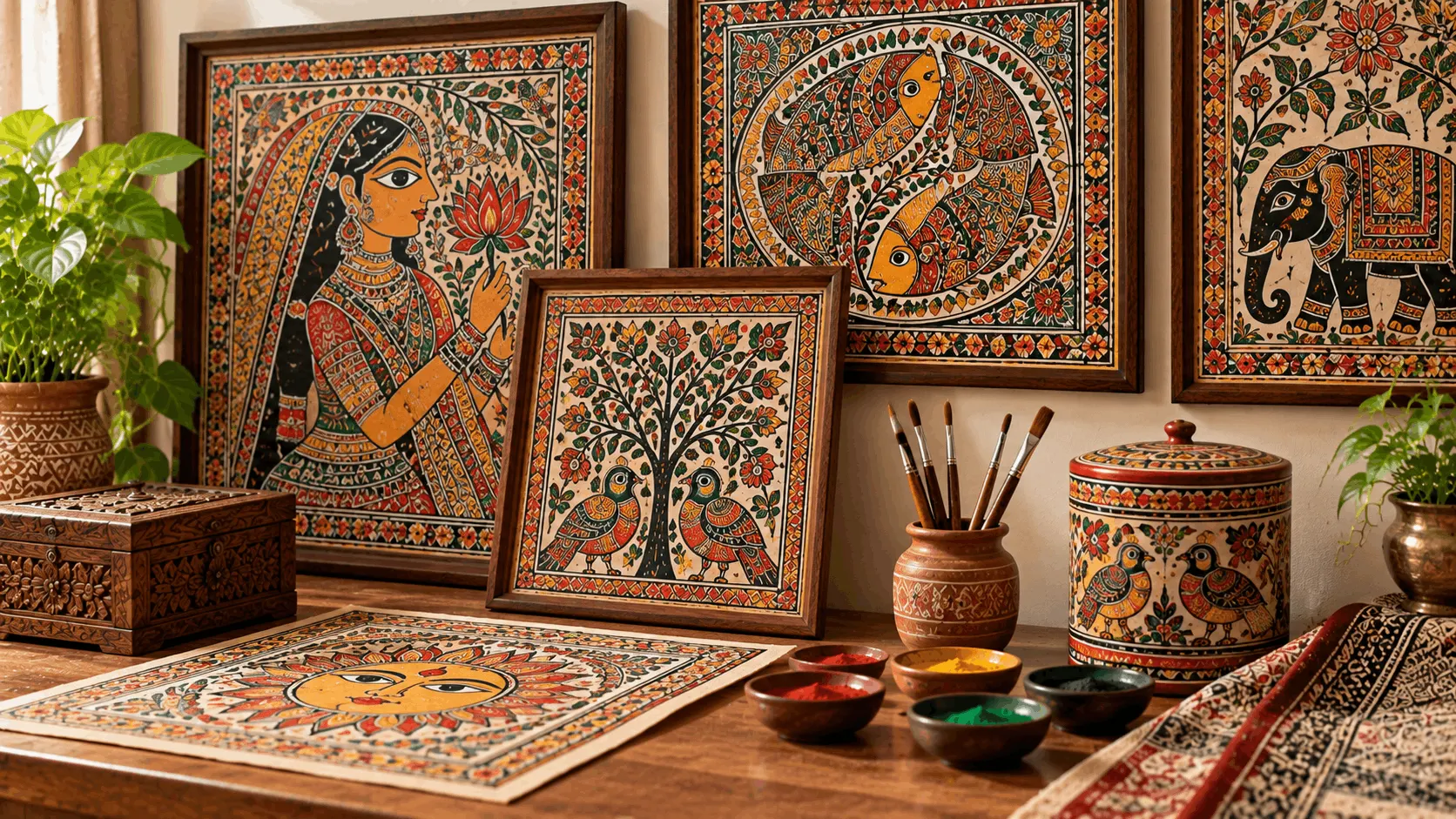
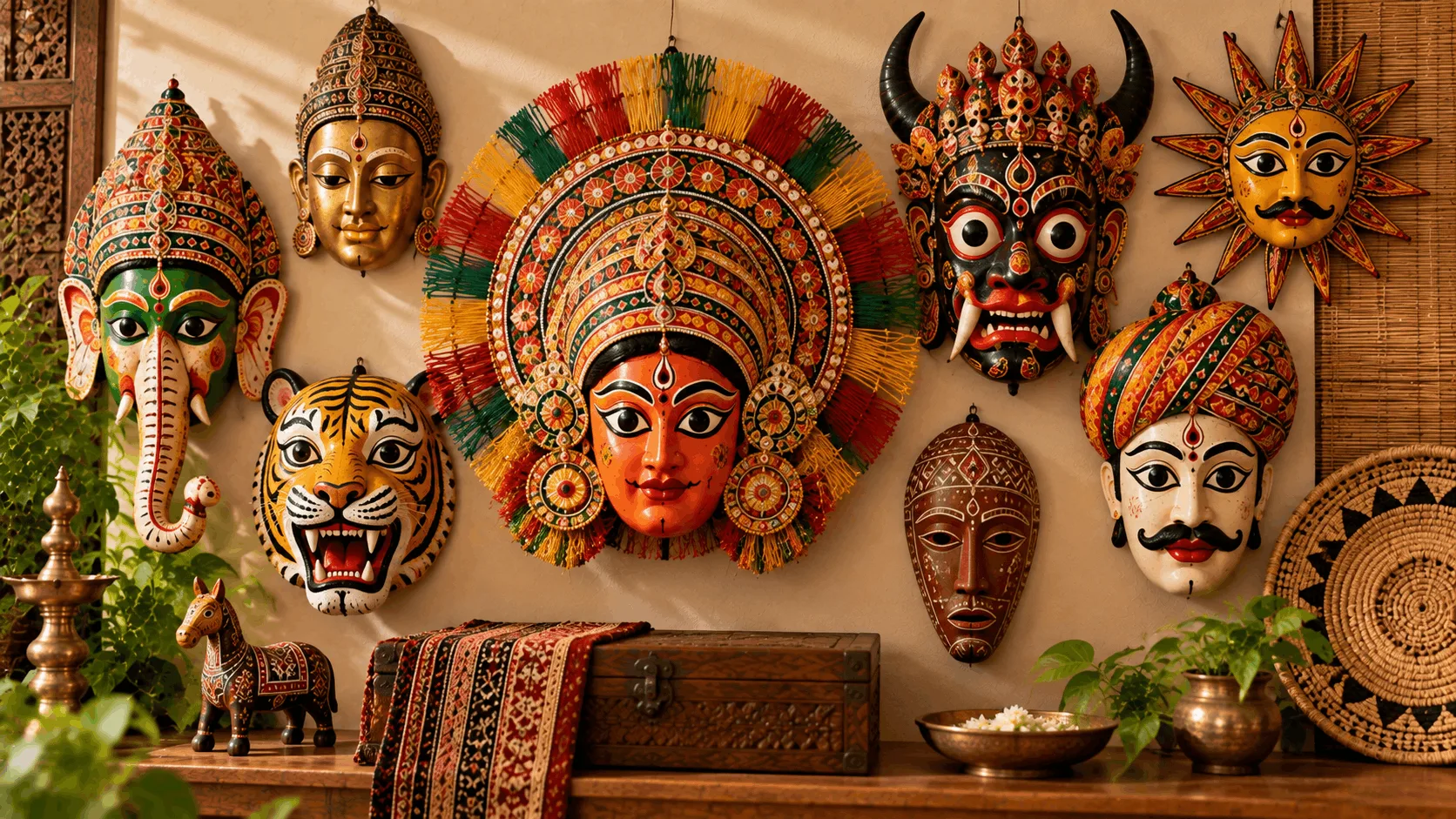
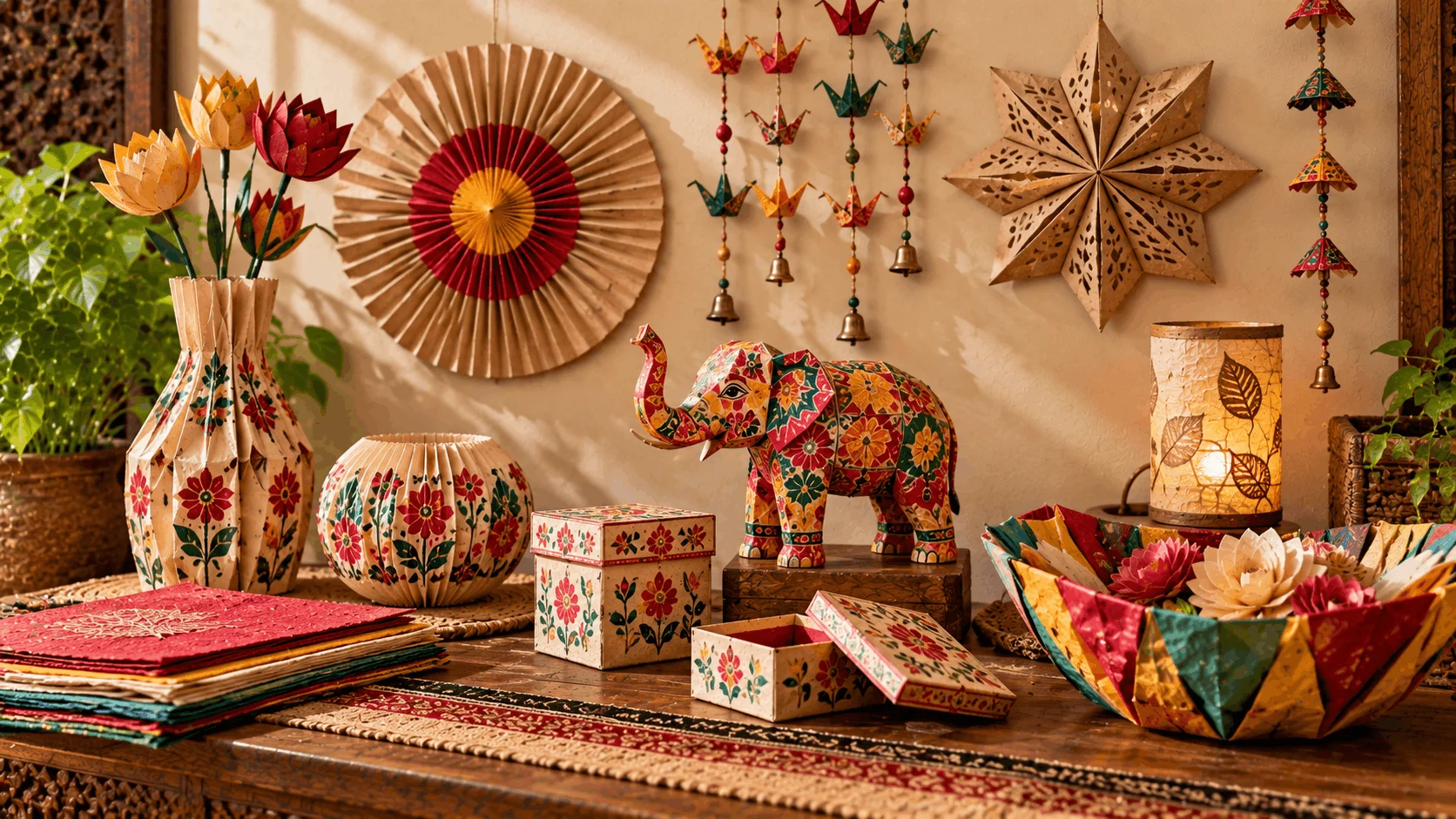
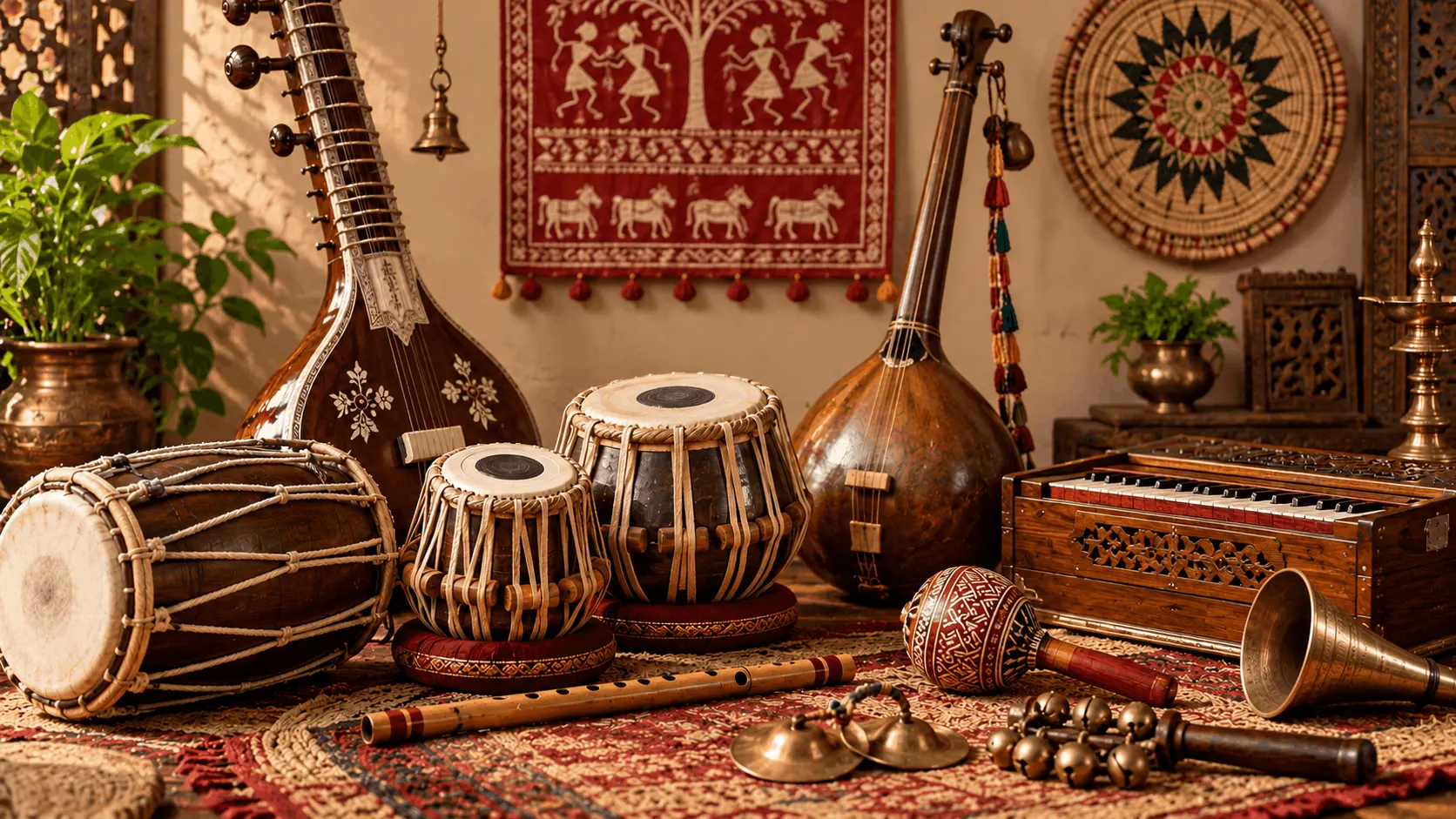
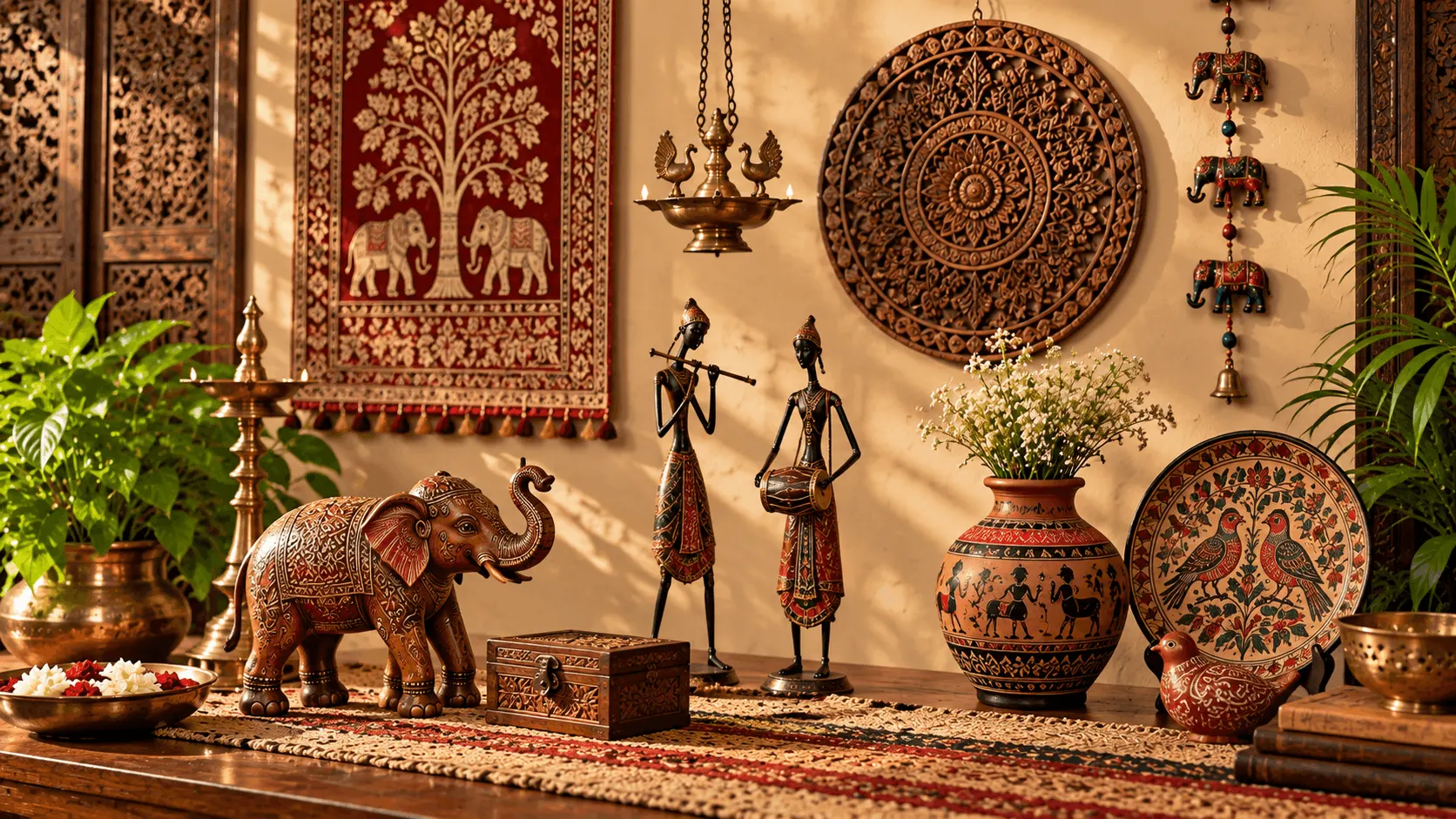
Decor exports from India include handmade products made from several different materials. Buyers can explore wooden décor, metal articles, stone products, textile decorations, painted pieces and other craft based items.
Some products are strongly associated with traditional Indian workmanship. Others have simpler shapes and can be introduced into contemporary homeware collections without looking out of place.
For an overseas buyer, the practical side deserves equal attention. How will the article be packed? Is it fragile? How much space will it occupy? Can the same design be supplied again if customers respond well to it?
These questions become particularly important once the first order has been placed.
Choosing Decor Exporters in India
When comparing decor exporters in India, a catalogue is useful but it cannot tell you everything.
A photograph may hide the actual size of an object. A finish can look different in natural light. Something that appears light may be surprisingly heavy. A delicate decorative piece may need substantial packaging before it is ready for an international shipment.
A sample helps with all of this.
It also gives the buyer something tangible to discuss if the product needs to be changed. A different size, colour or finish is much easier to explain when both parties are looking at the same item.
Traditional Craft Has Not Disappeared
Traditional products do not necessarily belong in old fashioned interiors.
A centuries old technique can be used to make something that works in a modern apartment. A traditional motif can be applied to a relatively simple object. A craft method can remain the same while the finished product is changed to suit a different customer.
This is part of what makes Indian handicrafts useful to international retailers.
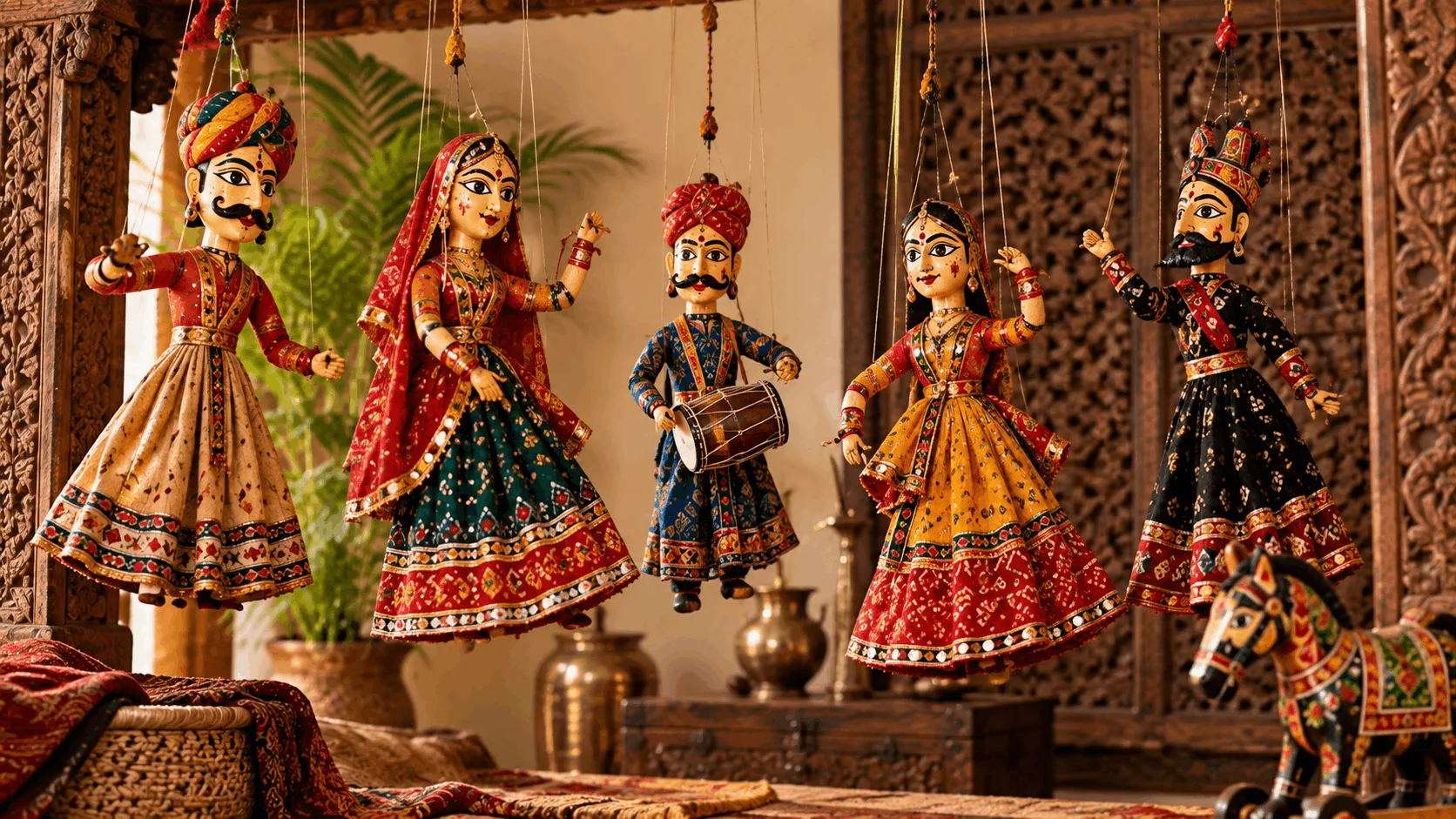
Traditional crafts exports from India also give buyers access to products connected with particular regions and communities. For a retailer, that background can be useful when telling customers where a product comes from and what makes it different.
Working with Traditional Crafts Exporters in India
Businesses looking for traditional crafts exporters in India should decide how much traditional character they want the finished product to retain.
One buyer may want an object that looks almost exactly like a regional craft piece. Another may want the same technique used on a different size or in a different colour.
There is no single answer.
Custom requirements can sometimes be discussed with the supplier. Depending on the product, this may include dimensions, colour, surface finish, packaging or branding. It is best to establish what is possible before production starts.
Think About the Person Who Will Buy It
The person placing the order is not always the person who will use the product.
An importer may buy a hundred decorative pieces, but eventually each one has to make sense to an individual customer. That customer may be furnishing a home, buying a gift or looking for something that feels unusual.
This is worth remembering when selecting a collection.
A specialist craft shop can perhaps carry pieces that are too unusual for a general homeware store. An online seller may prefer products that are compact and easy to photograph. A hotel buyer may be more concerned with quantity and consistency than with individual uniqueness.
Trade Horizon helps overseas businesses explore Indian art, décor and traditional craft sourcing around these practical considerations. You can approach us with a particular product, a photograph or simply an idea for the sort of collection you would like to develop.
FAQs
What kinds of art and decorative products can be sourced from India?
The selection can include sculptures, carved objects, wall décor, painted pieces, decorative metalware, wooden articles, stone products, textile based decorations and other handmade items. The available range varies between craft traditions and suppliers.
Are Indian handicrafts exported to international markets?
Yes. Indian handicrafts are sold in markets across North America, Europe, the Middle East, Asia and other regions. Different products have different levels of demand, so the destination market should be considered when selecting a collection.
Can I purchase Indian art and décor wholesale?
Yes. Wholesale orders can be discussed according to the product and supplier. The approximate quantity is useful information because production capacity and minimum order requirements can differ.
Can I request a sample before placing a larger order?
A sample can often be requested where the product and supplier allow it. This gives the buyer an opportunity to examine the actual workmanship, dimensions, material and finish before committing to a larger quantity.
Can traditional Indian crafts be customised?
Some products can be adapted for individual buyers. Depending on the item, this may involve changes to size, colour, finish, design details, packaging or branding. The available options need to be confirmed for each product.
What should I consider when importing decorative handicrafts?
Look beyond the quoted product price. Packaging, freight, duties and other import expenses can affect the final cost. Fragile, large or unusually shaped products may require additional protection during transport.
Will handmade art and décor pieces all look identical?
Not necessarily. Natural materials and manual workmanship can result in small differences between pieces. This can be part of the appeal of handmade products, although buyers who need greater consistency should establish their expectations before production.
How do I begin sourcing Indian art, décor and traditional crafts?
You can start with a photograph, a description of the product or an idea for a collection. Providing the approximate quantity and destination market is helpful. Trade Horizon helps international businesses explore suitable Indian sourcing possibilities based on their requirements.