Pottery, Terracotta & Ceramics Handicrafts Exports from India: Trade Horizon
Some handmade pottery catches your attention because it is beautifully painted. Other pieces do almost the opposite. They are plain, slightly uneven and interesting because you can see the clay and the handwork in them.
That difference can be useful in retail.
A shop selling home accessories does not necessarily need another range of identical looking products. A few unusual vases, bowls, planters or decorative pieces can give a display some personality. The same applies to hotels, restaurants, gift stores and interior projects.
India has a long history of working with clay, and the products coming from different parts of the country do not all look alike. Traditional forms continue to exist alongside products developed for present day homes and commercial spaces.
For an overseas buyer, that makes pottery, terracotta and ceramics worth exploring as a product category in their own right.
What Can Be Made from Clay?
Quite a lot.
There are everyday articles such as cups, bowls, plates and serving pieces. Then there are vases, planters, lamps, figurines, decorative vessels and objects intended primarily for display.
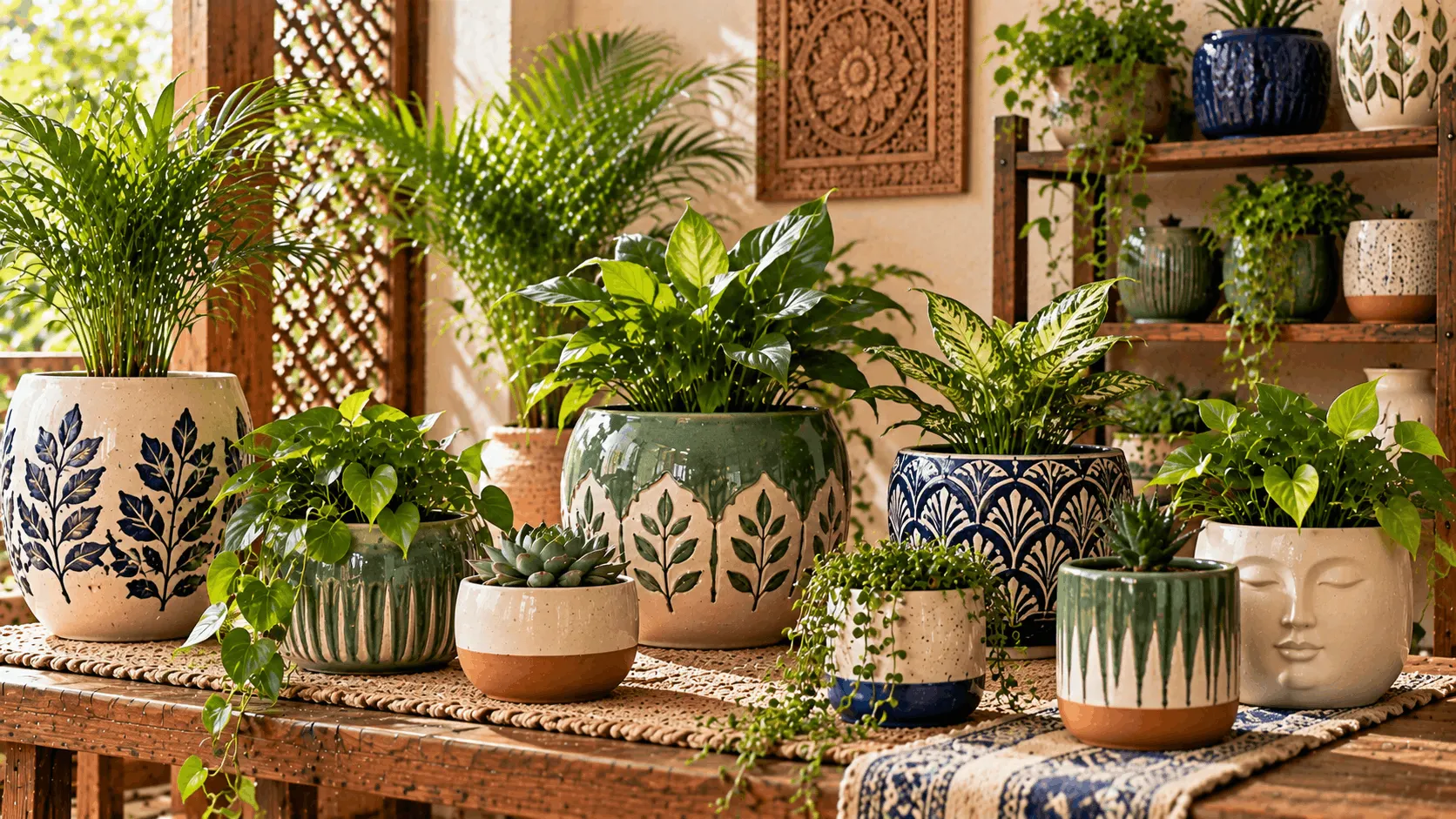
The distinction between useful and decorative is not always clear either. A large ceramic bowl can sit on a dining table as a functional article or become part of an interior display. A planter can be bought for a garden, balcony or living room.
This gives retailers room to create collections around how their customers actually shop rather than around a single manufacturing technique.
A gift business may want smaller pieces. A home décor retailer may prefer larger objects. A restaurant could be interested in tableware, while a hotel might require a mixture of decorative and functional articles.
The product needs to make sense for the place where it will eventually be sold.
Pottery Handicrafts Exports from India
Indian pottery has an established place in the country's handicraft export trade. EPCH includes Articles of Stone and Pottery among its recorded export categories, with exports for 2025 to 2026 valued at about ₹1,438.92 crore.
The USA is among the important destinations, along with markets such as the UK, Germany and UAE.
Those figures show that overseas demand exists. They do not, however, mean that every pottery product will suit every market.
An importer still has to think about the price customers will pay, the space available in the store, the intended use of the article and the cost of getting it there. A beautiful product can become difficult to sell if it is too large, too expensive or too complicated to pack.
India Does Not Have One Pottery Style
Regional craft traditions make Indian pottery particularly varied.
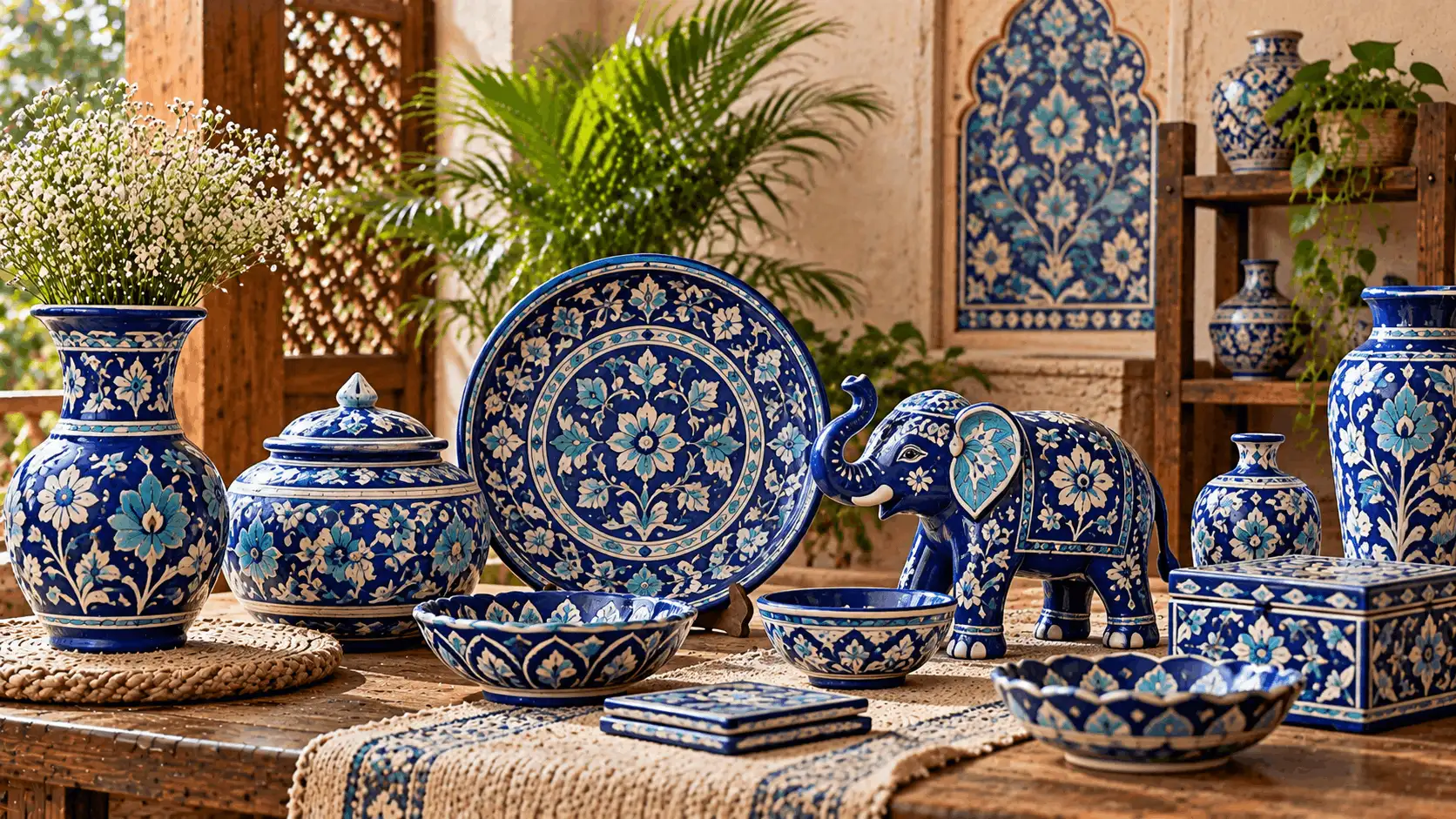
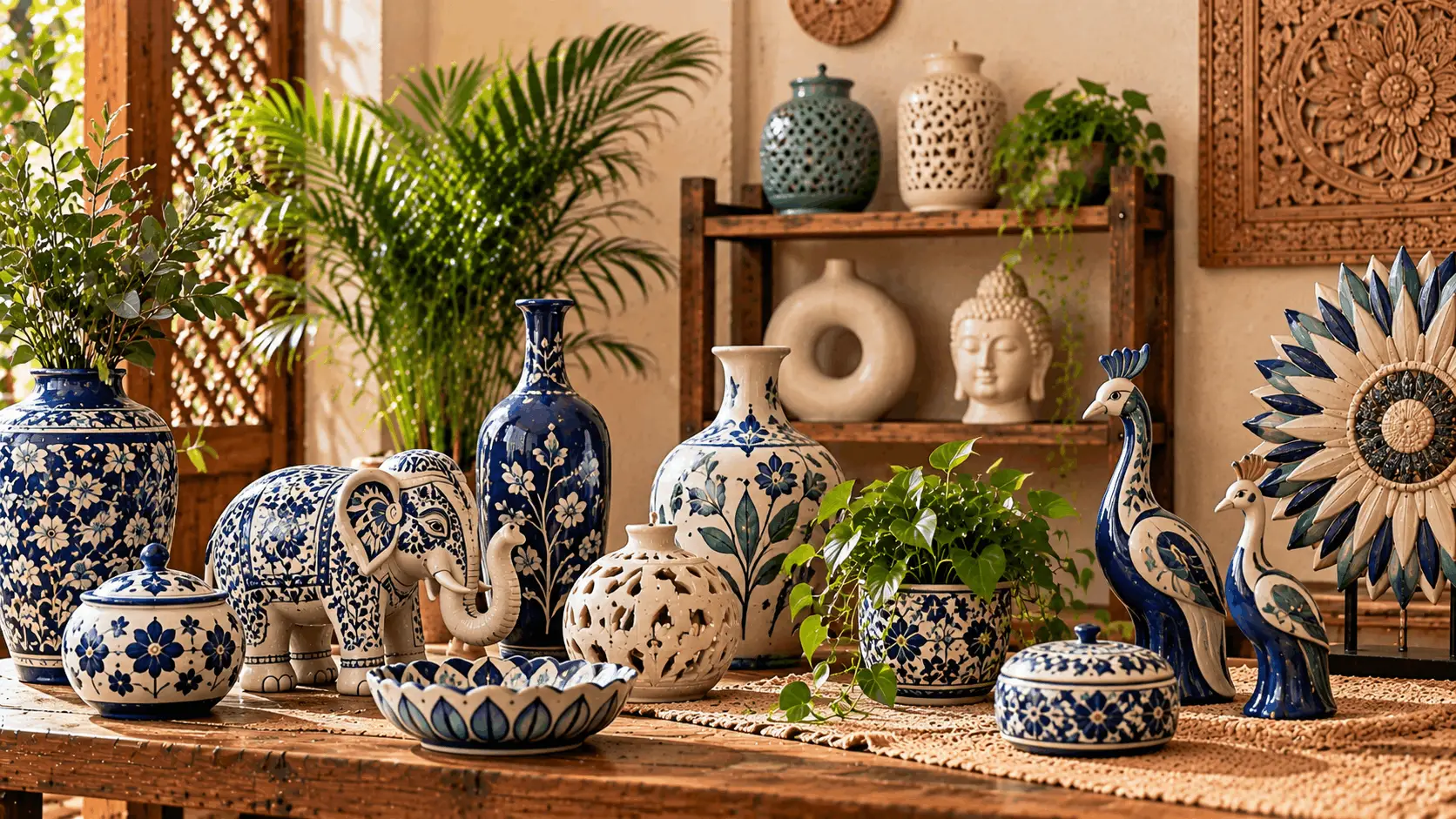
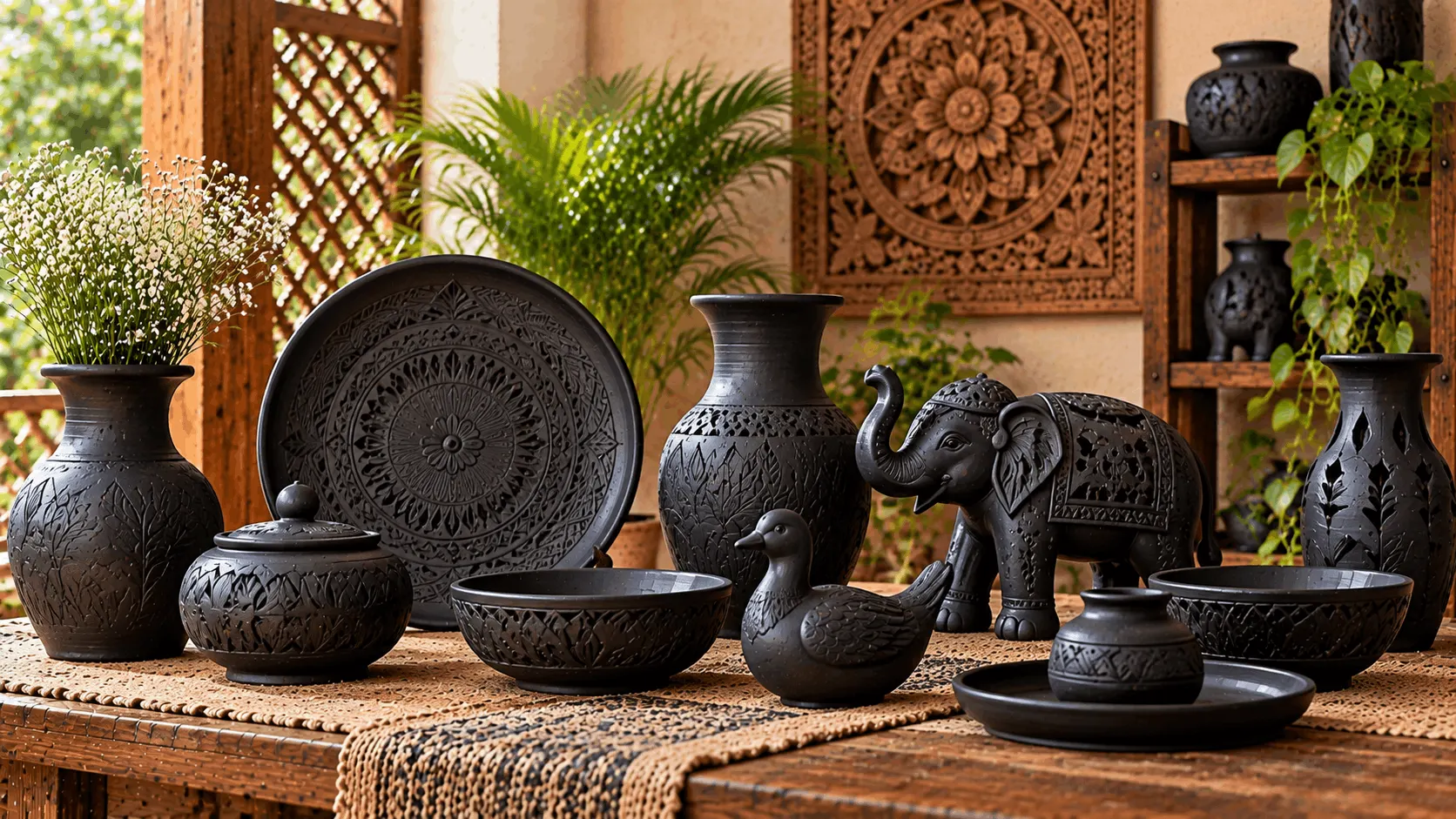
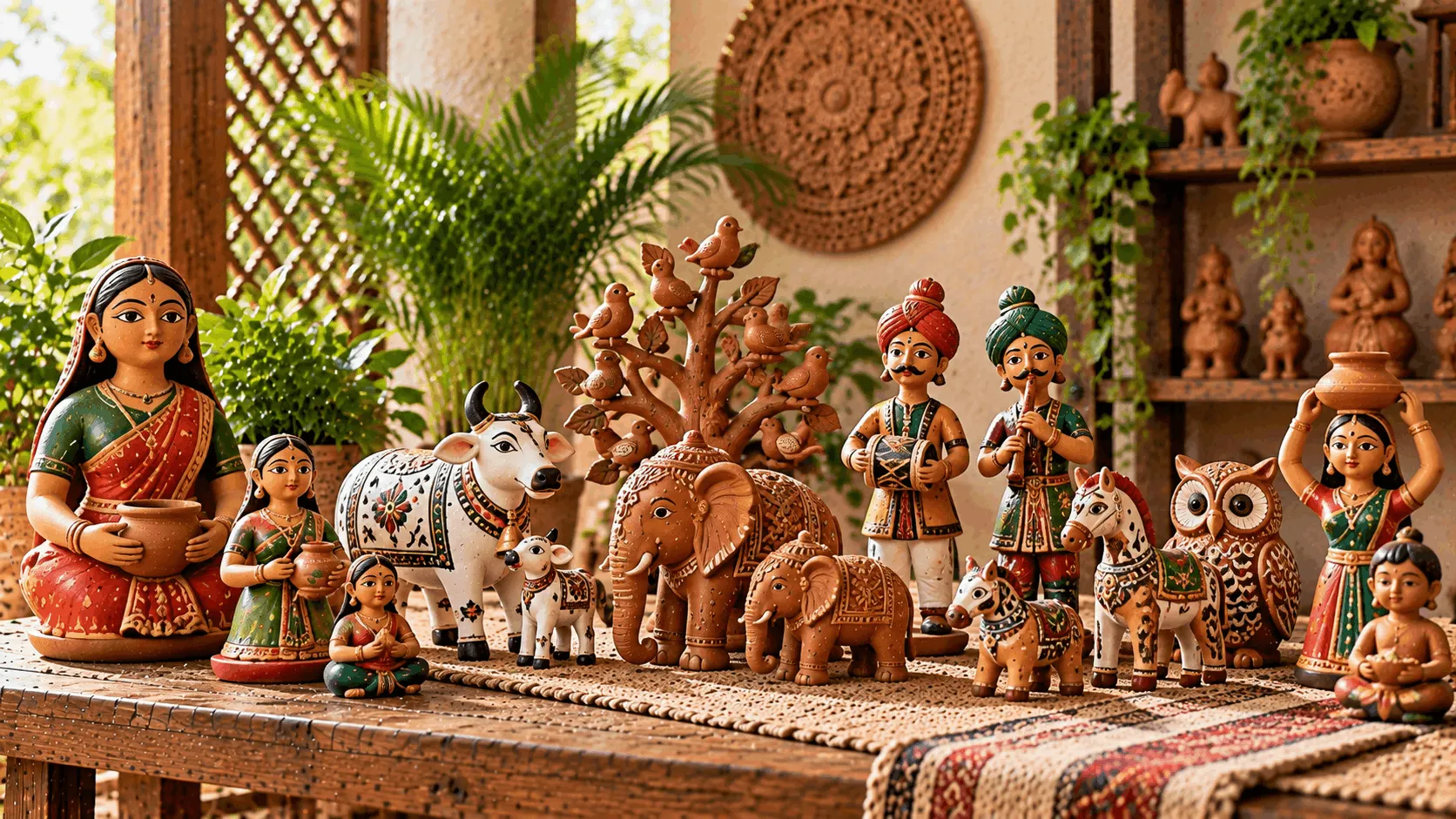
Khurja has a long association with pottery and ceramics. Jaipur is widely known for blue pottery. Nizamabad has its black pottery tradition, while Bankura is strongly associated with terracotta figures and other clay work.
These are not simply different names for the same type of product.
The clay, decoration, shape, firing and finishing can all differ. A buyer interested in traditional Indian craft may therefore find plenty of directions to explore before deciding on a final collection.
There is also no rule saying that an export collection has to look old fashioned. Traditional techniques can be used in products with fairly simple, contemporary shapes.
Terracotta Has a Natural Appeal
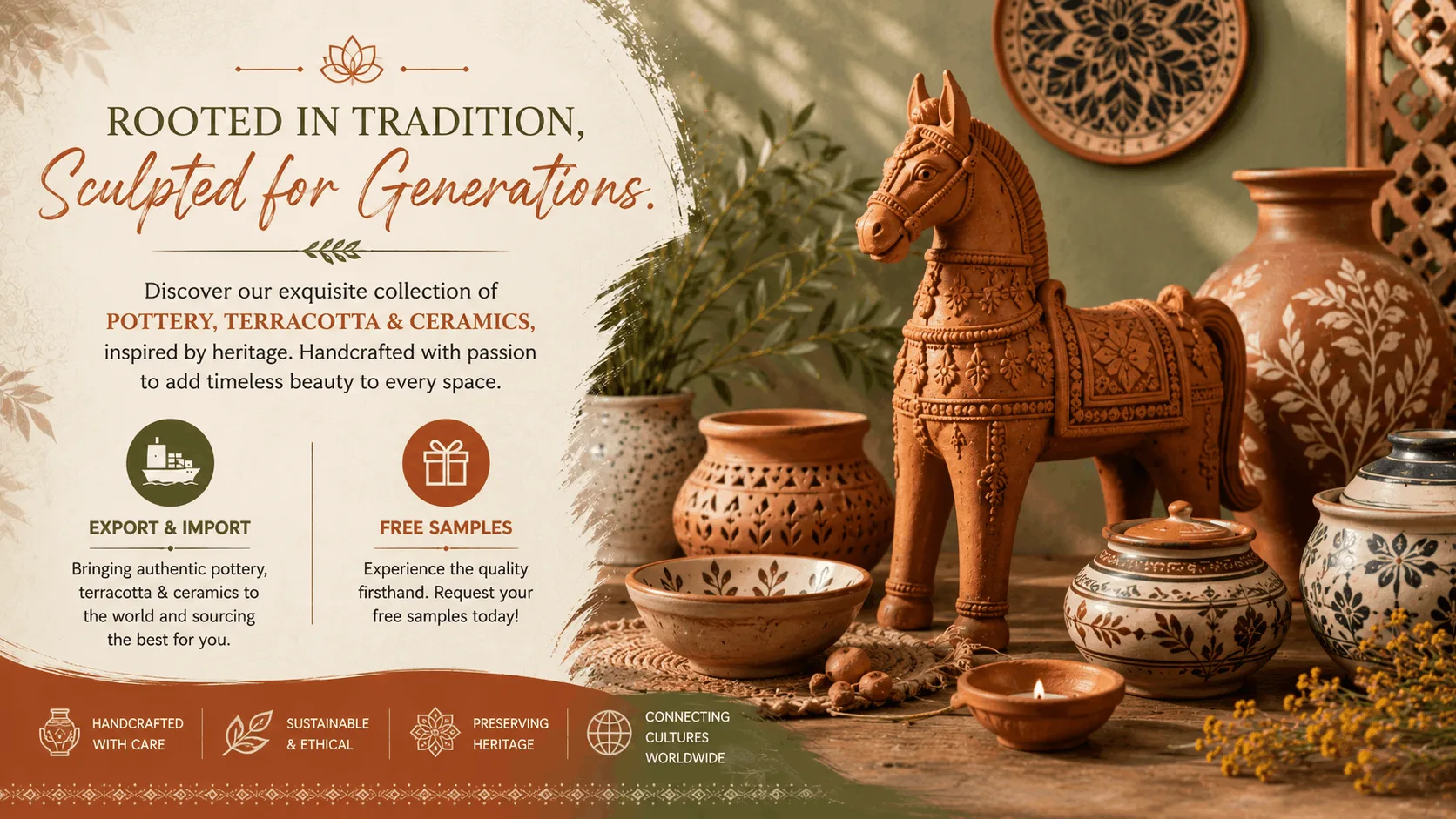
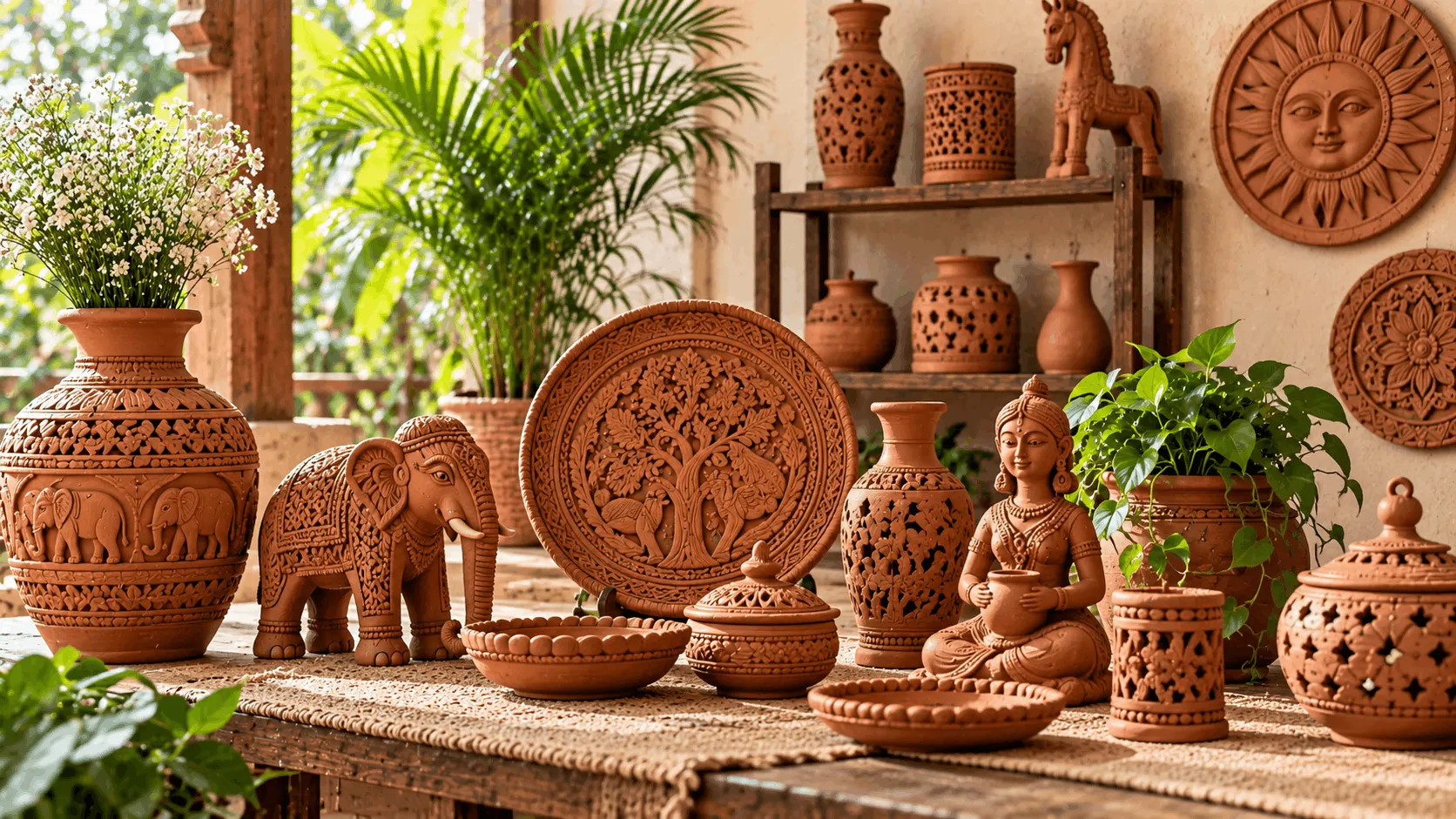
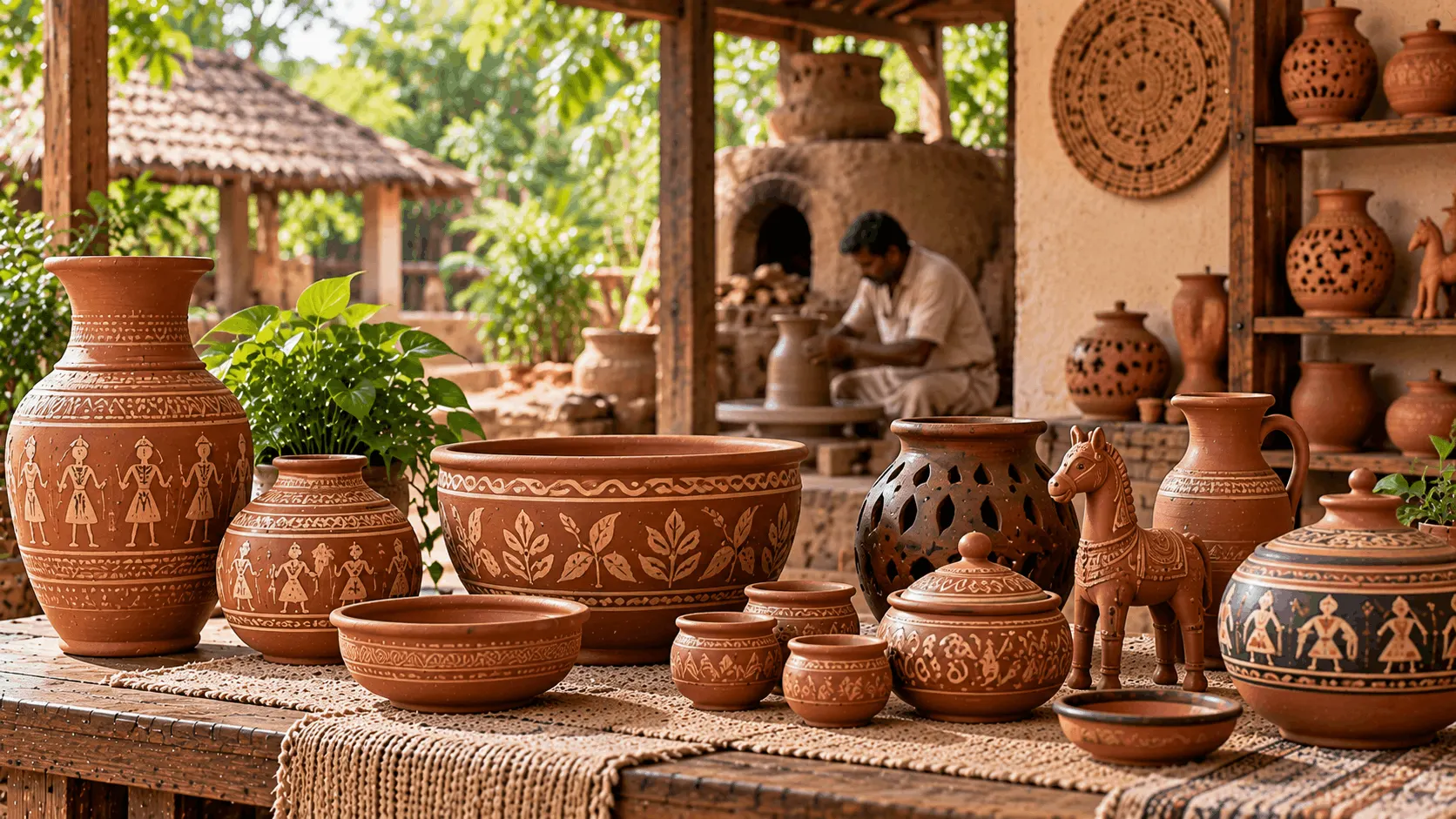
Terracotta tends to have an immediately recognisable appearance.
The warm colour works well with wood, plants, stone and other natural materials. That makes terracotta an easy fit for many home and lifestyle collections. It can also work particularly well in garden related products and interiors where a handmade appearance is desirable.
Figurines are another important part of the category. Some are based on traditional subjects and local cultural themes. Others are made simply as decorative objects.
The surface is part of the attraction.
Firing can produce slight differences from one piece to another. For a retailer selling handmade products, this can make a collection feel less mechanical. A business that needs every item to be almost identical may need to establish tighter specifications before ordering.
Terracotta Handicrafts Exports from India
Terracotta handicrafts exports from India cover more than traditional decorative figures.
Depending on the producer, overseas buyers can explore planters, vessels, tiles, ornaments, figurines and other clay articles. Some products are strongly rooted in regional craft traditions. Others are made with contemporary interiors in mind.
That distinction is worth considering when developing a range.
A specialist handicraft store may be interested in products that tell a clear story about their place of origin. A mainstream retailer might prefer a simpler design that fits easily into an existing homeware collection.
Neither approach is necessarily better. They simply serve different customers.
Finding Pottery Handicrafts Exporters in India
The easiest sourcing conversations often begin with something tangible.
A photograph of a product you already sell can be useful. So can a rough drawing, measurements or a description of what you want the finished article to look like.
If you do not have a specific product yet, explain the purpose instead.
For example, a buyer looking for decorative pottery for hotel rooms has a very different requirement from someone sourcing small pieces for an online gift store. Quantity matters as well. An order of a few dozen pieces raises different production questions from a requirement running into hundreds or thousands.
Repeat supply deserves some thought at this stage too.
A product may sell quickly after the first shipment. If you expect to reorder it, production capacity and consistency become relevant from the beginning.
Ceramics Allow More Freedom with Finish
Ceramic products can have an entirely different appearance from untreated terracotta.
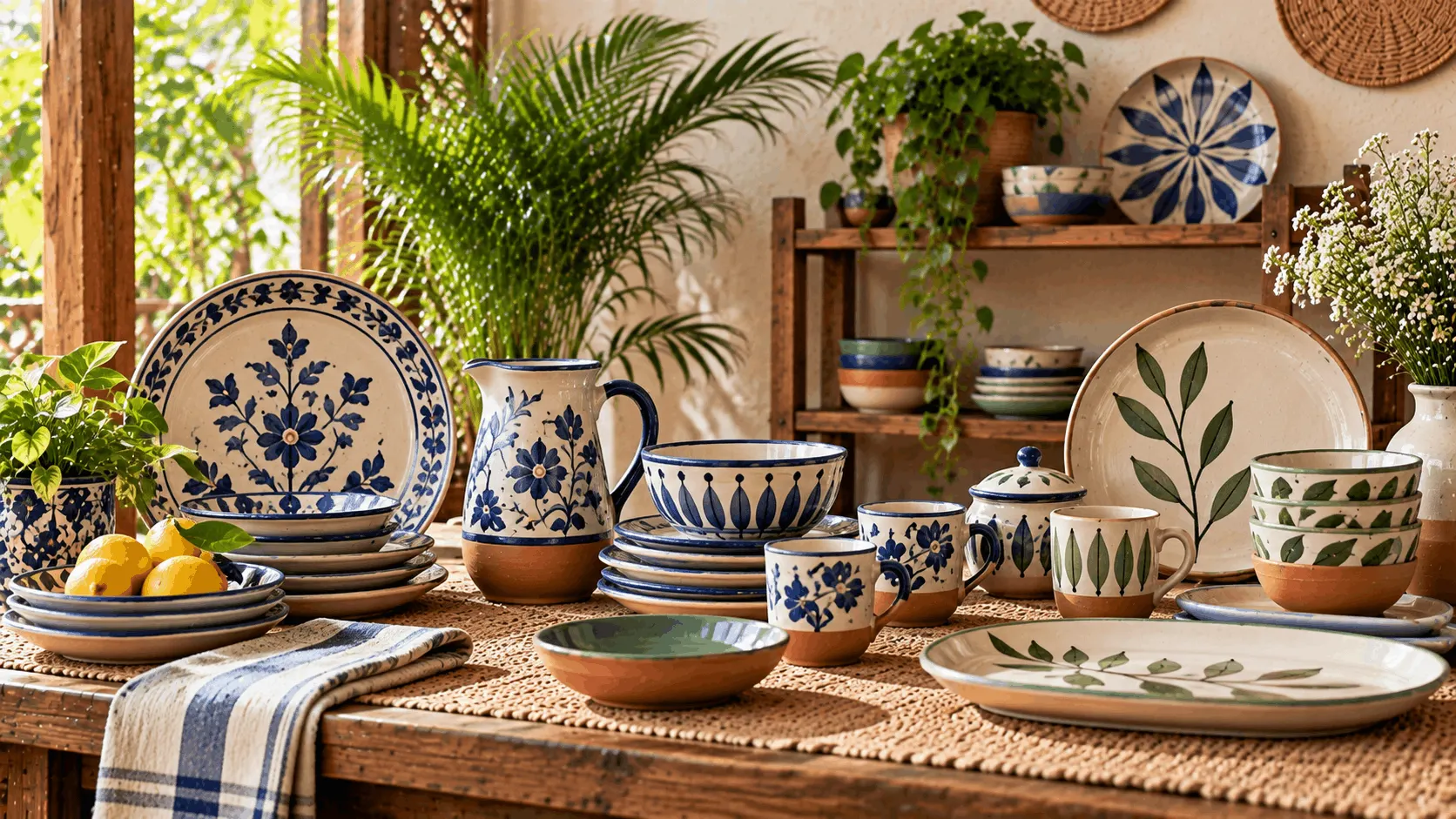
Glazing opens up a wide range of possibilities. Surfaces can be glossy, matte, textured or strongly coloured. Hand painting can add another layer of detail. A relatively simple shape can therefore become quite distinctive through its finish.
This is one reason ceramic products can work well in coordinated retail collections.
Several articles can use the same colour family without being exact copies of one another. Vases, bowls, planters and other pieces can share a finish or design influence while still having their own shapes.
For buyers developing a private collection, that flexibility can be useful.
Ceramics Handicrafts Exports from India
Ceramics handicrafts exports from India include products intended for both decoration and everyday use.
Depending on the supplier, the range can include vases, bowls, tableware, planters, ornaments and other ceramic articles. Commercial buyers may also approach the category for hospitality or interior projects where larger quantities are involved.
Here, the intended use becomes particularly important.
A decorative ceramic bowl and a bowl intended for food service may look similar in a photograph while having very different requirements. A hotel ordering a large number of pieces may also need closer control over dimensions and finish.
Those details should be settled before production rather than after the goods have been made.
Ceramics Handicrafts Exporters in India
When comparing ceramics handicrafts exporters in India, product suitability is only one part of the decision.
Ask what can actually be produced in the quantity required. Consider whether the same design can be supplied again later. If the product is customised, clarify which parts of the design can be changed and which need to remain as they are.
The more specific the enquiry, the easier it becomes to have a useful discussion.
A photograph, measurements, preferred material, colour reference and estimated quantity can often provide a much better starting point than a request for a general catalogue.
See the Product Before Committing to Quantity
Clay products are difficult to judge completely on a screen.
A vase may have more presence than expected once it is sitting on a table. A ceramic glaze may look slightly different under natural light. The weight of a bowl can change the impression it makes. With terracotta, the roughness or smoothness of the surface is something photographs rarely capture properly.
A sample is therefore more than a formality.
It gives the buyer an opportunity to check the product itself and identify anything that needs changing. This is particularly useful when the eventual order will be substantial.
Once a sample has been approved, it can also serve as a practical reference during production discussions.
Shipping Starts with the Way the Product Is Packed
A ceramic vase may be worth very little if it arrives broken.
Fragile products need packing that takes their actual shape into account. Handles, narrow necks, thin edges and projecting details can all create weak points during transport.
There is a cost consideration here as well.
Protective packing adds both material and volume. An importer calculating freight should therefore work with the packed dimensions rather than assuming the bare product dimensions tell the whole story.
For larger orders, this can have a noticeable effect on the landed cost.
A Collection Does Not Need Everything
There is a temptation when sourcing handicrafts to choose a little of everything.
That can make a catalogue look extensive, but it does not always create a strong collection.
A better approach may be to choose a direction first. A retailer could build a range around earthy terracotta, hand painted ceramics, blue pottery or decorative planters. Another business might combine several techniques as long as the colours and general design language work together.
The collection should make sense when the products are placed next to each other.
Trade Horizon helps international businesses explore pottery, terracotta and ceramic handicrafts from India according to their product requirements, quantities and destination markets. Buyers can contact us with a photograph, measurements, product specification or a general idea and discuss possible sourcing options from India.
FAQs
What types of pottery can be sourced from India?
The range can include bowls, plates, cups, vases, planters, serving pieces, containers, lamps, figurines and decorative objects. The products available depend on the producer and the regional craft tradition.
Are pottery handicrafts from India suitable for wholesale purchase?
Yes. Indian pottery can be sourced for retail stores, distributors, hospitality businesses, interior projects and other commercial requirements. The quantity should be discussed at the start because production capacity varies between suppliers.
What kinds of terracotta products are available?
Terracotta products can include figurines, planters, vessels, tiles, ornaments and decorative articles. Traditional designs as well as simpler products for contemporary interiors can be explored.
Can terracotta products be customised?
Some products can be developed according to specific requirements. Possible changes may include dimensions, shape, decoration, colour, finish and packaging. The exact options depend on the product and producer.
Can ceramic products be made in specific colours or designs?
In some cases, yes. Ceramic products may allow changes to colour, glaze, decoration, dimensions and other features. Custom requirements should be discussed before production so that the available options can be confirmed.
Can I request a sample before ordering in bulk?
A sample can often be arranged depending on the product and supplier. It is useful for checking the actual size, weight, colour, surface, finish and workmanship before confirming a larger order.
Will handmade pottery have variations between pieces?
Small differences can occur because the products involve handmade shaping, decoration and firing. Variations may appear in dimensions, colour, texture or surface finish. Buyers who require close consistency should discuss acceptable variation before production.
What should I consider before importing pottery and ceramics?
Look at the product dimensions, weight, material, finish and intended use. Fragility and export packaging are important as well. Freight should be calculated using the packed dimensions, since protective packaging can increase shipment volume.
How can I begin sourcing pottery, terracotta and ceramics from India?
Start with whatever information you already have. A photograph, measurements, product description or preferred style is enough to begin a discussion. If you know the approximate quantity and destination market, provide those details as well. Trade Horizon can help international buyers explore suitable Indian sourcing possibilities based on their requirements.